

WATCH LIVE: Lindsay Clancy jurors deliberate on 28th day of trial
This story raises questions about governance, accountability, and American values.
Twenty-eight days is not a jury struggling with a close call. That's a jury wrestling with something the legal system was never really built to answer cleanly: whether a mind can be so broken that it stops being responsible for what the hands did. Three children are dead.
New Republican Times Editorial Board
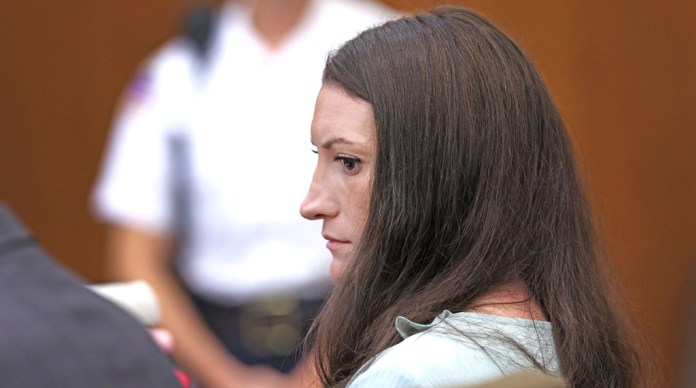
Massachusetts Superior Court Judge William Sullivan has sent the jury in the Lindsay Clancy case back for another round of deliberations on the 28th day of the murder trial. Clancy, the woman accused of murdering her three children, has argued through her defense team that she strangled them in a state of postpartum psychosis as she […]
Original source:
Read at Washington ExaminerHow We See It
New Republican Times Editorial Board
Twenty-eight days is not a jury struggling with a close call. That's a jury wrestling with something the legal system was never really built to answer cleanly: whether a mind can be so broken that it stops being responsible for what the hands did. Three children are dead. Nobody disputes who did it. The whole trial has come down to what was happening inside Lindsay Clancy's head when she did it, and juries are being asked to render medical certainty with a legal verdict form.
We're not going to pretend postpartum psychosis isn't real. It is, and it can be devastating in ways most people never witness up close. But the insanity defense in cases like this always puts the public in an uncomfortable spot, because the outcome hinges on expert testimony that sounds airtight from either side, and jurors without medical training are left to pick a version of reality. That's not a knock on this particular jury. It's a structural problem with how we've decided to handle the intersection of severe mental illness and the most serious crimes imaginable.
What strikes us is the silence around what happens well before the courtroom. Postpartum psychosis doesn't materialize instantly and invisibly. There are usually warning signs, family members who notice something is wrong, a healthcare system that either catches it or doesn't. If this case ends in a verdict that turns on psychiatric diagnosis, the harder question shouldn't disappear once the jury goes home: why wasn't this caught sooner, and who else is at risk of falling through the same gap.
Whatever these twelve people decide, it won't feel like justice to anyone, because there isn't a version of this ending that gives anyone their children back. That's worth sitting with instead of turning this into another culture-war football the moment the verdict drops.
Commentary written with AI assistance by the New Republican Times Editorial Board.