

What is birthright citizenship and when could the Supreme Court issue a decision?
Constitutional questions test judicial philosophy as Americans debate the role of unelected judges.
Mainstream coverage of birthright citizenship tends to treat the question as settled, and anyone raising it as unserious or punitive. That framing skips the real issue: what the 14th Amendment actually requires, and whether today’s incentives match the amendment’s purpose. The phrase “subject to the jurisdiction” was not written as poetry.
New Republican Times Editorial Board
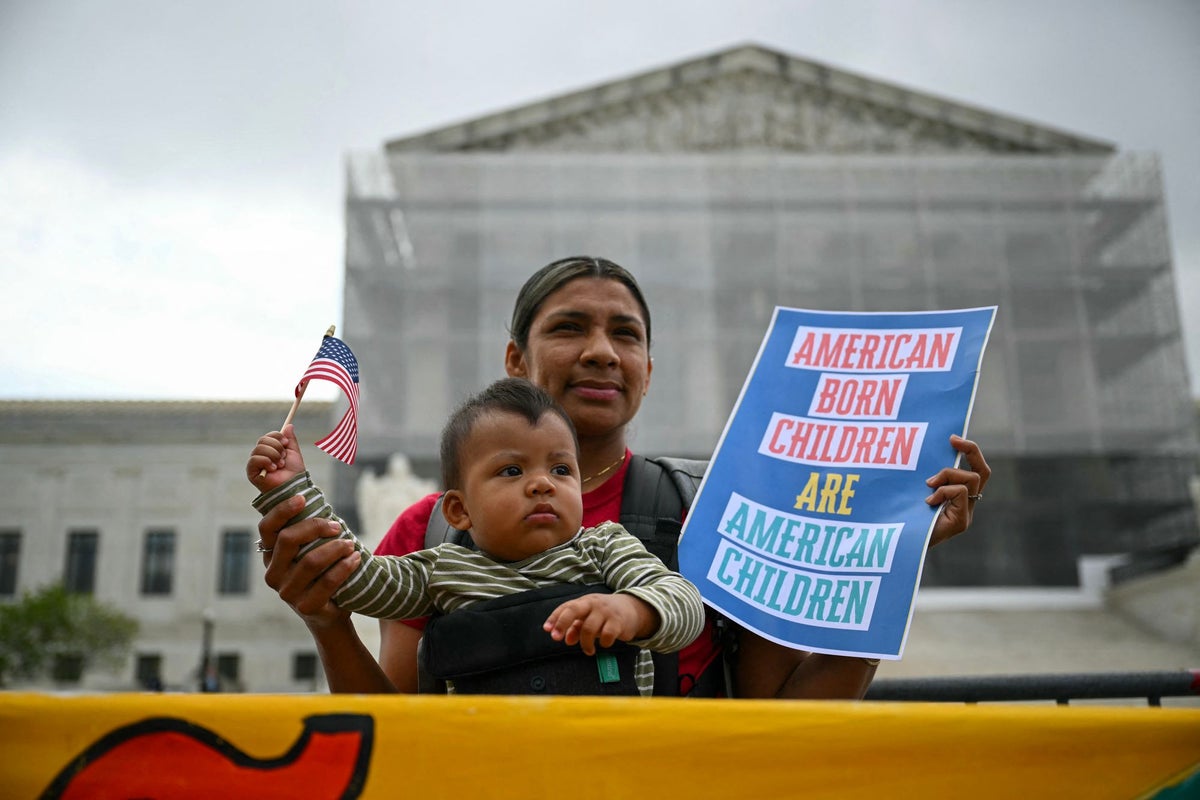
When the justices weigh the arguments, they will focus on the meaning of the first sentence of the 14th Amendment
Original source:
Read at Morgan MariettaHow We See It
New Republican Times Editorial Board
Mainstream coverage of birthright citizenship tends to treat the question as settled, and anyone raising it as unserious or punitive. That framing skips the real issue: what the 14th Amendment actually requires, and whether today’s incentives match the amendment’s purpose.
The phrase “subject to the jurisdiction” was not written as poetry. It reflects allegiance and full legal authority, not a loophole for automatic citizenship by circumstance. Ignoring that distinction invites predictable abuse, strains local services, and erodes public trust in immigration rules that are supposed to mean something.
The Court’s job is not to ratify modern practice but to apply text and history with institutional stability in mind. A durable rule, whatever it is, should reinforce rule of law and national cohesion, not reward the cleverest workaround.
Commentary written with AI assistance by the New Republican Times Editorial Board.