

Which Asian countries' ships are passing through the Strait of Hormuz?
This story raises questions about governance, accountability, and American values.
The coverage treats the Strait of Hormuz like a traffic report for Asian tankers, as if the real story is simply who passes through and how dependent they are. That framing turns a strategic chokepoint into an economic trivia question, and it downplays what Americans are actually exposed to when energy routes become leverage. A conservative view starts with **national security** and **energy realism**.
New Republican Times Editorial Board
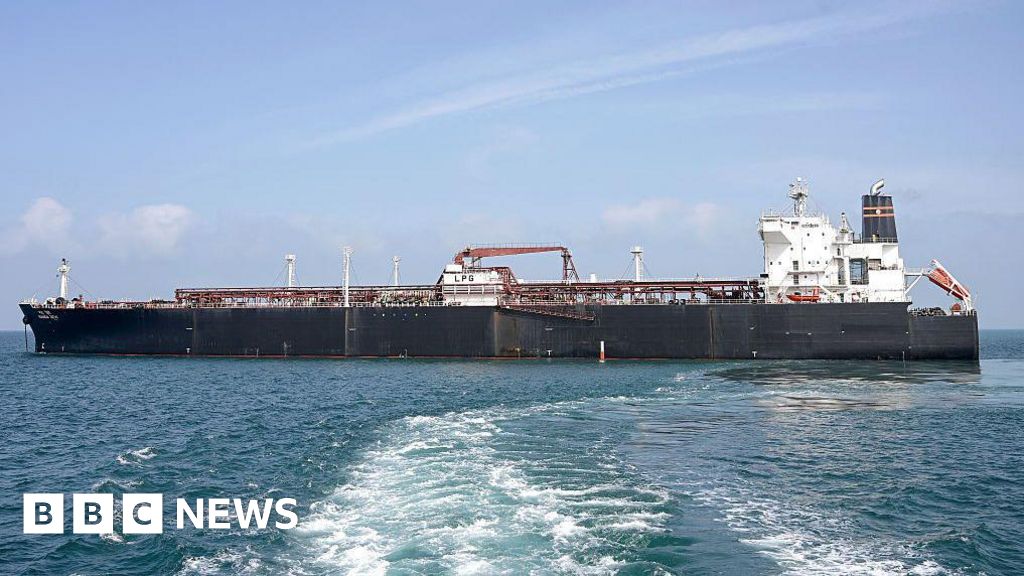
Nations in the region have been keen to reach agreements as their economies are heavily reliant on Middle East energy.
Original source:
Read at BBCHow We See It
New Republican Times Editorial Board
The coverage treats the Strait of Hormuz like a traffic report for Asian tankers, as if the real story is simply who passes through and how dependent they are. That framing turns a strategic chokepoint into an economic trivia question, and it downplays what Americans are actually exposed to when energy routes become leverage.
A conservative view starts with national security and energy realism. When major economies bank their futures on Middle East shipping lanes, the incentives for Tehran and its proxies grow, and the costs of disruption land on U.S. families and U.S. forces. Counting flags on ships misses the larger point: America’s interests cannot be subcontracted to fragile arrangements or distant consumers.
The answer is not endless policing of the world’s fuel lines. It is credible deterrence, fair burden-sharing, and the rule of law at sea. Stability is not a headline. It is the principle at stake.
Commentary written with AI assistance by the New Republican Times Editorial Board.