

White House identifies countries evading billions in tariffs through transshipping
This story raises questions about governance, accountability, and American values.
Peter Navarro standing at a podium talking about transshipping isn't exactly a viral moment, but it's the part of the tariff story that actually matters. Anyone can slap a number on Chinese goods coming through the front door. The real test is whether the administration can stop those same goods from walking in the side door with a "Made in Vietnam" or "Made in Mexico" sticker slapped on the box.
New Republican Times Editorial Board
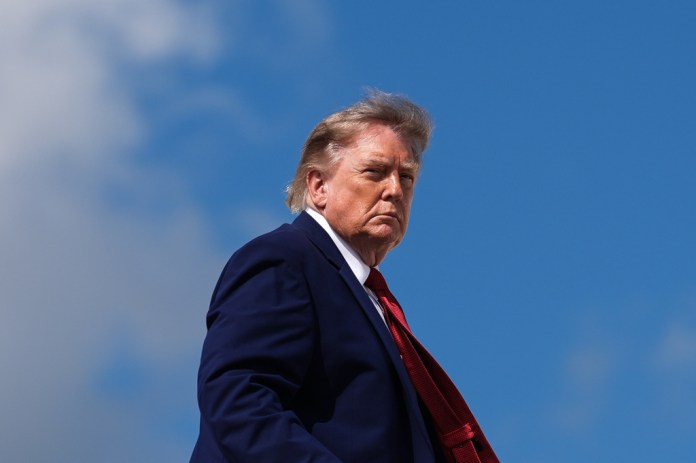
The White House is working to crack down on countries using loopholes to evade paying President Donald Trump’s tariffs, including China, India, and Mexico. Peter Navarro, the senior White House counselor for trade and manufacturing, briefed reporters on the initiative Thursday morning.
As part of the crackdown, the Council of Economic Advisers partnered with the […]
Original source:
Read at Washington ExaminerHow We See It
New Republican Times Editorial Board
Peter Navarro standing at a podium talking about transshipping isn't exactly a viral moment, but it's the part of the tariff story that actually matters. Anyone can slap a number on Chinese goods coming through the front door. The real test is whether the administration can stop those same goods from walking in the side door with a "Made in Vietnam" or "Made in Mexico" sticker slapped on the box. That's what this briefing was about, and it's the unglamorous work that determines whether a tariff policy is real or just a press release.
Transshipping isn't some obscure customs quirk. It's the entire playbook exporters use to gut trade enforcement. A factory in Shenzhen ships components to a warehouse in Mexico, someone repackages them, and suddenly a Chinese-made product crosses the border classified as Mexican. Multiply that by every port and every product category and you understand why previous tariff regimes looked tough on paper and leaked like a sieve in practice. If the White House is actually tracking this country by country, naming China, India, and Mexico specifically, that's a sign someone is paying attention to the mechanics instead of just the messaging.
The skepticism this always draws is fair to a point. Enforcement is genuinely hard, and past administrations have announced crackdowns that quietly died in the Federal Register. But there's a difference between skepticism and reflexive dismissal, and a lot of the coverage of Trump's trade policy defaults to the latter before any of the details are even examined. Pulling in the Council of Economic Advisers to build out the data side suggests this isn't just a talking point for reporters, it's an attempt to build a case that can survive contact with lawyers and importers looking for the next loophole.
None of this guarantees success. Tariff evasion is a moving target, and closing one route just pushes traffic toward another. But identifying the specific countries and methods being used is the necessary first step, and it's more than what most of the "get tough on trade" rhetoric of the last twenty years ever produced.
Commentary written with AI assistance by the New Republican Times Editorial Board.