

Why seizing Iran's nuclear stockpile would be "one of the riskiest" missions in history
Regional stability hinges on credible deterrence and strategic partnerships with key allies.
CBS frames the idea of seizing Iran’s nuclear stockpile as a kind of Hollywood raid, then pauses to marvel at how hard it would be. That’s true, but it also dodges the prior question: how did we get to a place where Tehran can disperse highly enriched uranium under the world’s nose? The real risk is not only operational.
New Republican Times Editorial Board
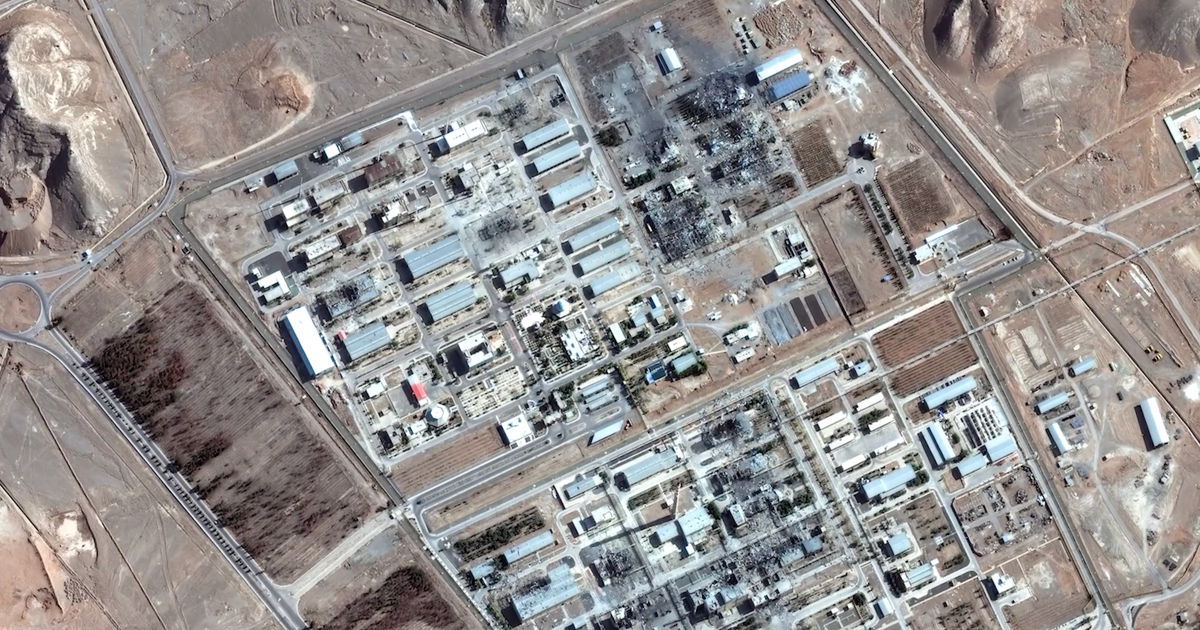
Seizing the highly enriched uranium would be more difficult and complex than anything U.S. Special Operations forces have ever attempted, military experts told CBS News.
Original source:
Read at CBS NewsHow We See It
New Republican Times Editorial Board
CBS frames the idea of seizing Iran’s nuclear stockpile as a kind of Hollywood raid, then pauses to marvel at how hard it would be. That’s true, but it also dodges the prior question: how did we get to a place where Tehran can disperse highly enriched uranium under the world’s nose?
The real risk is not only operational. It’s strategic. A mission like this would demand pristine intelligence, regional access, and a clear plan for what comes after the helicopters leave. Media coverage often treats those requirements as background details, when they are the difference between deterrence and escalation.
Conservatives start with national security and credible deterrence, but we also insist on rule of law and public trust. If leaders contemplate extraordinary force, they owe the country honest aims, realistic costs, and clear accountability. The principle at stake is serious statecraft, not bravado.
Commentary written with AI assistance by the New Republican Times Editorial Board.