

Missouri AG files petition asking Supreme Court to revive Trump-backed redistricting map
Constitutional questions test judicial philosophy as Americans debate the role of unelected judges.
Missouri's new map got tossed by a state judge, and now it's up to the Supreme Court to decide whether that ruling actually holds up. Catherine Hanaway didn't waste time. An emergency petition, straight to the top, asking the justices to let the redrawn lines stand while the underlying legal fight plays out.
New Republican Times Editorial Board
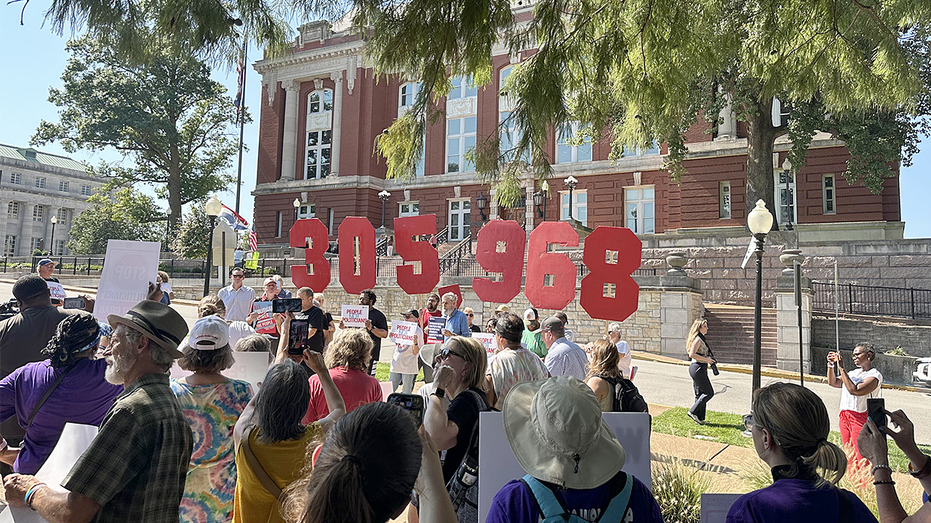
Missouri Attorney General Catherine Hanaway filed an emergency U.S. Supreme Court appeal to restore the Trump-backed congressional redistricting map.
Original source:
Read at Fox NewsHow We See It
New Republican Times Editorial Board
Missouri's new map got tossed by a state judge, and now it's up to the Supreme Court to decide whether that ruling actually holds up. Catherine Hanaway didn't waste time. An emergency petition, straight to the top, asking the justices to let the redrawn lines stand while the underlying legal fight plays out. That's not some backroom maneuver. That's a state law officer using the exact process built for exactly this kind of dispute.
The map itself was drawn to shift a Kansas City-area seat toward Republicans, and yes, Trump publicly backed it. People can debate whether that's good politics or bad politics. But redistricting has always been political. Every state that's ever redrawn a map has done it with an eye toward who benefits, Democrats included, and nobody blinks when it's their side doing the math. What's actually in dispute here is whether a state judge overstepped in blocking a map the legislature passed through the normal process.
That's a real legal question, and it deserves a real legal answer, not a shrug because the losing side doesn't like who's asking. If Missouri's process was flawed, the courts should say so and say why. If it wasn't, an elected legislature's map should stand until someone proves otherwise. Letting a single judge's injunction quietly become the final word, without the Supreme Court even weighing in, would set a strange precedent for how much power one courtroom has over an entire state's congressional delegation.
We'd say the same thing if the shoe were on the other foot, and it often has been. States get to draw their own maps, within legal bounds, and the fight over where those bounds sit belongs in front of the highest court, not settled by default because nobody appealed fast enough.
Commentary written with AI assistance by the New Republican Times Editorial Board.